
The Turmoil
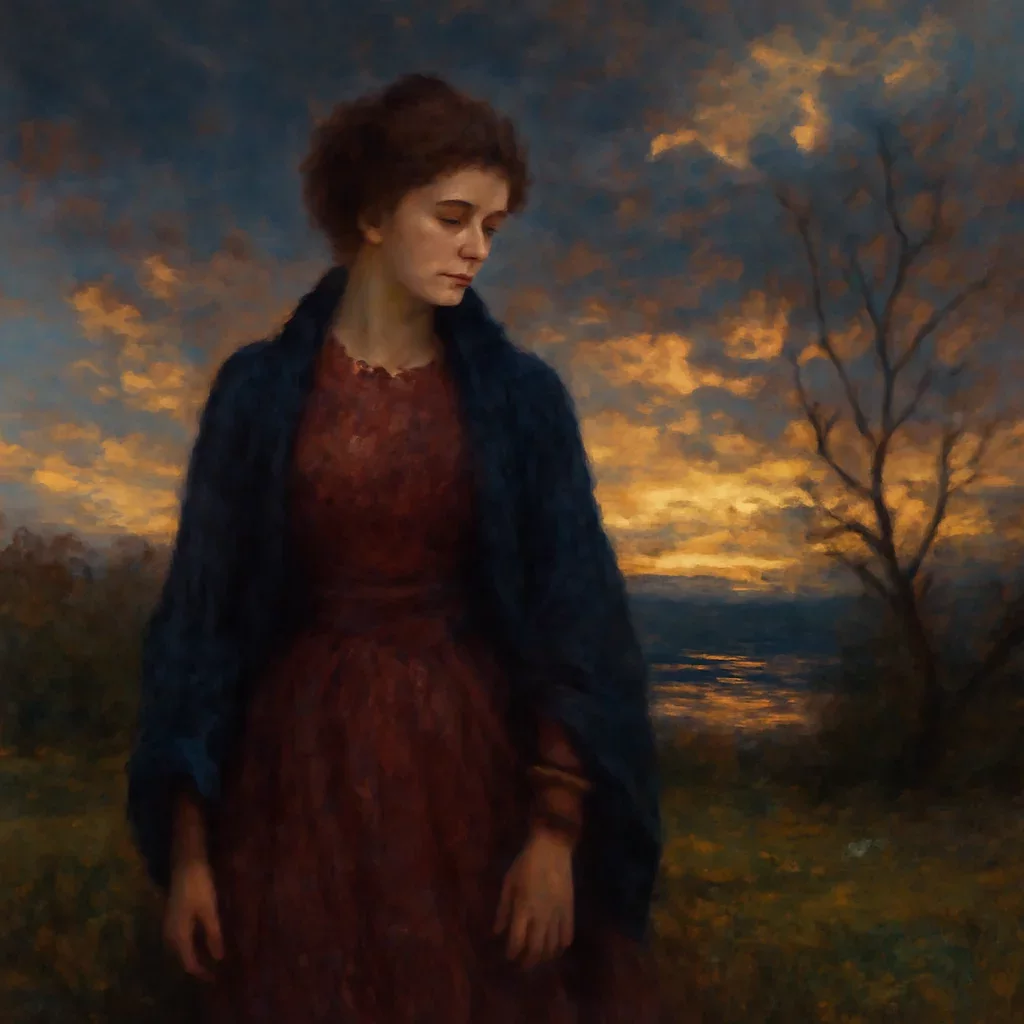
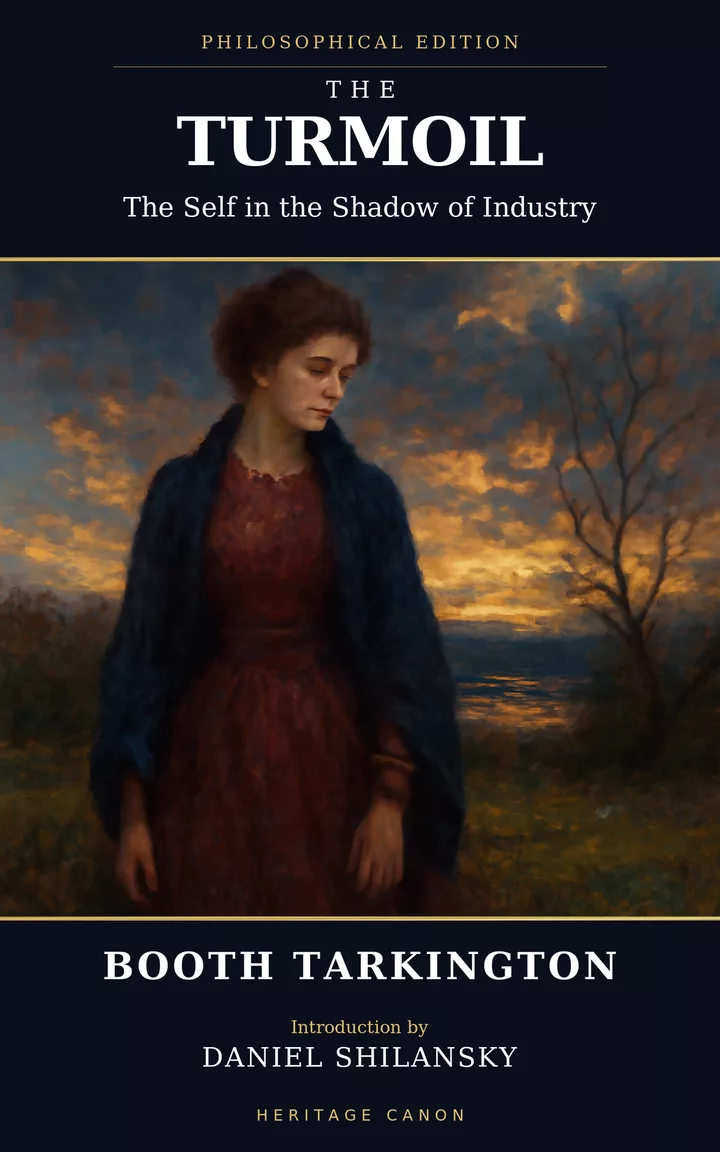
Cover of The Turmoil

Philosophical edition

The Turmoil

The Self in the Shadow of Industry

Booth Tarkington

Introduction by

Daniel Shilansky

Available formats

Kindle

Original publication

1915

Genre

Novel

The argument

What this edition argues

Bibbs Sheridan feels the shadow of Industry pressing against his delicate senses, caught between a world that demands his body’s submission and a self that clings to inner life. Tarkington’s The Turmoil reveals how Industry’s relentless machine reshapes not just cities but the very Self, erasing the categories through which we understand human worth.

It exposes the lie that progress and cultivation can coexist—because Industry doesn’t just threaten the soul from outside; it redefines what it means to be human from within, transforming the Self into a cog in a vast, indifferent system. Contemporary figures like Vladimir Putin exploit this same myth: that relentless expansion justifies any means—yet Tarkington shows how such dehumanization is built into the Shadow of Industry itself, and how it demands a reckoning we dare not ignore.

FAQ

About this edition

What makes this edition different from a standard reprint?

It is not just a reprint of the text. It pairs the complete original work with a new philosophical introduction that reconstructs the conflicts, assumptions, and historical pressures that shaped why the book was written and how it was originally understood.

What does the introduction argue about this book?

The novel's Midwestern city functions as argument as much as setting, insisting that the question of industrial civilization's effects on the self must be answered within that civilization, without pastoral escape, by characters who have no alternative world available.

Who is Daniel Shilansky, and what is his role in this edition?

Daniel Shilansky is the editor of Heritage Canon and the author of this edition’s introduction in the Philosophical Editions series. His work focuses on how literature and film participate in philosophical argument, and he writes for both general and academic readers.

Do I need to read the introduction before the novel?

No. You can read it first (if you do not mind plot spoilers) or return to it after the novel; the edition is designed to work either way.

Is the introduction academic or written for general readers?

It is intellectually serious but written for general readers, not only for specialists.

Is this text complete and unabridged?

Yes. The literary text is presented complete and unabridged.

Why does this edition use the label “Philosophical Edition”?

Because the introduction treats the book not just as a plot to summarize or a historical artifact to place, but as an intervention in larger questions of selfhood, morality, religion, desire, freedom, politics, and the shape of modern life.

Continue browsing

More in the catalog