
The Centaur
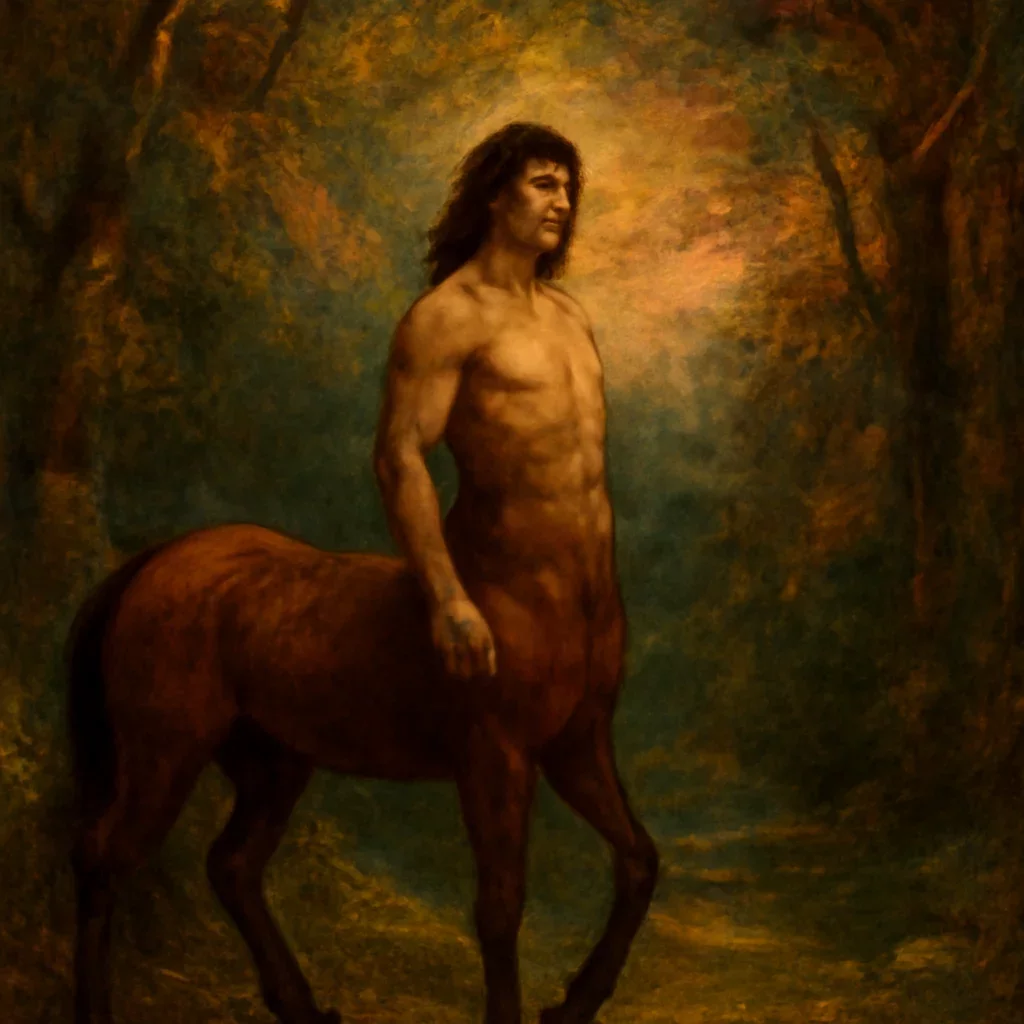
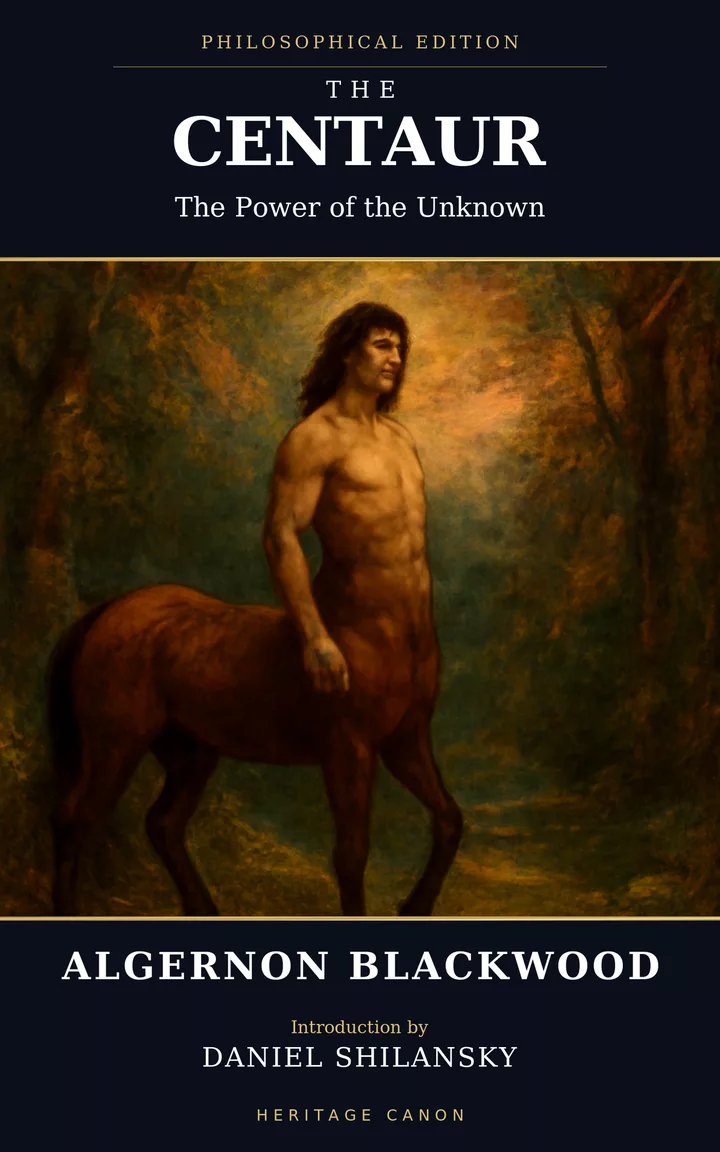
Cover of The Centaur

Philosophical edition

The Centaur

The Power of the Unknown

Algernon Blackwood

Introduction by

Daniel Shilansky

Available formats

Kindle

Original publication

1911

Genre

Fantasy

The argument

What this edition argues

A man stands on the edge of a forest, torn between accepting the natural world’s limits or risking everything to contact a primal force that defies human understanding. His choice threatens to shatter his sense of self, revealing that some truths lie beyond the boundaries of reason and science.

Algernon Blackwood’s The Centaur dares to suggest there is an order of being older and deeper than humanity, one that can touch us if we surrender the illusion of separation. It challenges the very fabric of reality, forcing the reader to feel the porous edges of consciousness itself.

This book doesn’t just tell a story — it unsettles your mind and shakes your convictions to their core.

FAQ

About this edition

What makes this edition different from a standard reprint?

It is not just a reprint of the text. It pairs the complete original work with a new philosophical introduction that reconstructs the conflicts, assumptions, and historical pressures that shaped why the book was written and how it was originally understood.

What does the introduction argue about this book?

The Centaur participates in the early twentieth-century philosophical debate between scientific naturalism and its critics, but it does so by pressing beyond the positions that debate made available.

Who is Daniel Shilansky, and what is his role in this edition?

Daniel Shilansky is the editor of Heritage Canon and the author of this edition’s introduction in the Philosophical Editions series. His work focuses on how literature and film participate in philosophical argument, and he writes for both general and academic readers.

Do I need to read the introduction before the novel?

No. You can read it first (if you do not mind plot spoilers) or return to it after the novel; the edition is designed to work either way.

Is the introduction academic or written for general readers?

It is intellectually serious but written for general readers, not only for specialists.

Is this text complete and unabridged?

Yes. The literary text is presented complete and unabridged.

Why does this edition use the label “Philosophical Edition”?

Because the introduction treats the book not just as a plot to summarize or a historical artifact to place, but as an intervention in larger questions of selfhood, morality, religion, desire, freedom, politics, and the shape of modern life.

Continue browsing

More in the catalog