Dubliners
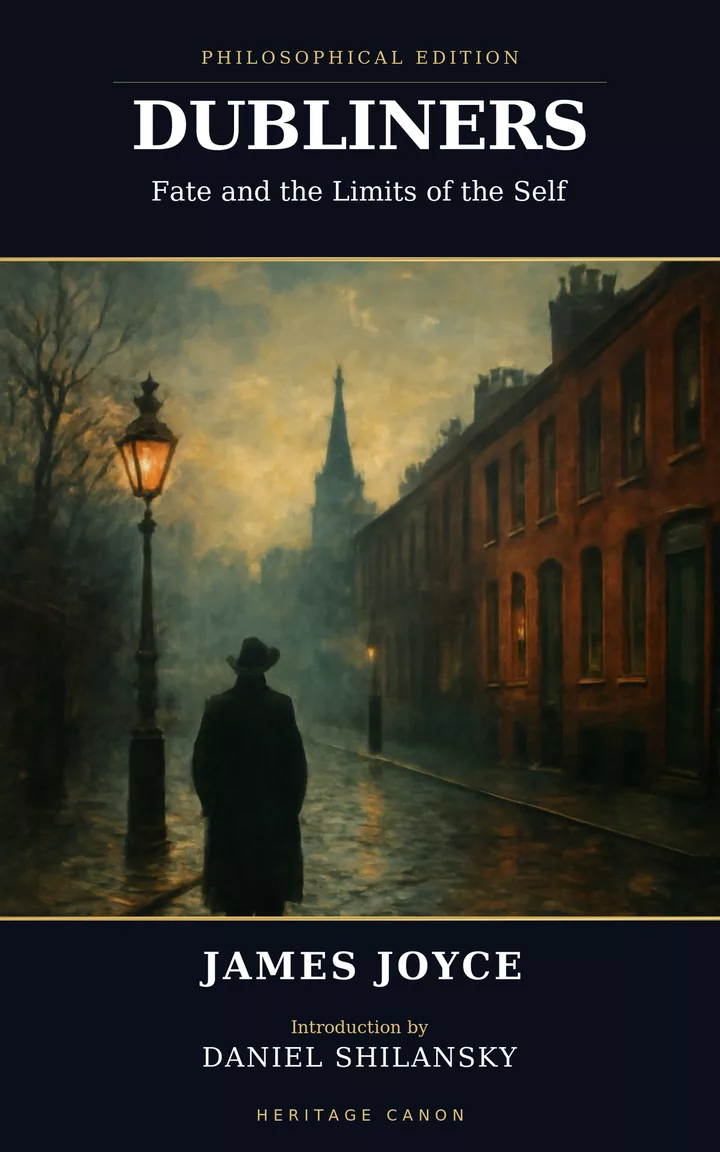
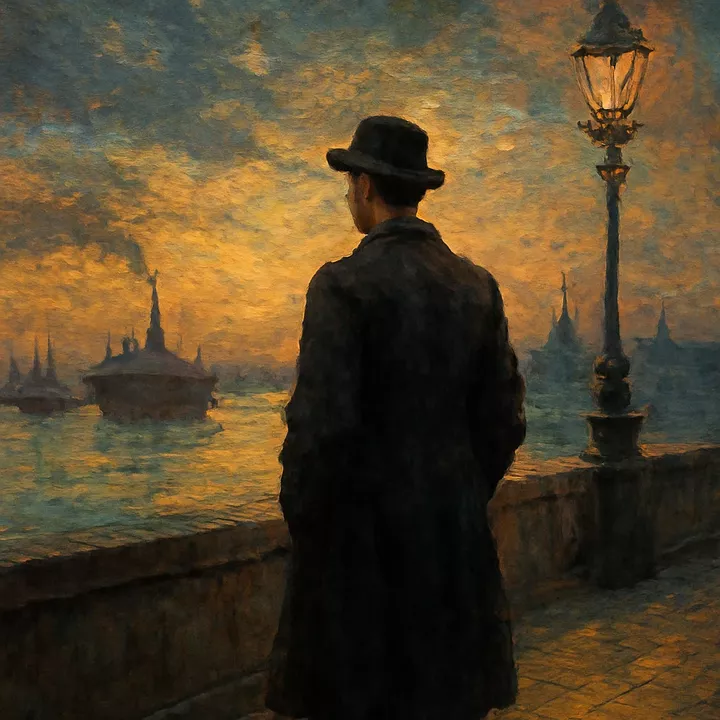
Cover of Dubliners

Philosophical edition

Dubliners

Fate and the Limits of the Self

James Joyce

Introduction by

Daniel Shilansky

Available formats

Kindle, Paperback

Original publication

1914

Genre

ShortStories

The argument

What this edition argues

In Dublin, a man stands at the edge of recognition, knowing what he sees but feeling powerless to act on it—caught in a web woven by Fate and Self that traps him in a cycle of stasis, just as modern populists like Viktor Orbán exploit the illusion of choice to deepen societal paralysis. James Joyce’s Dubliners reveals how the Limits imposed by colonial and religious histories distort not only external circumstances but the very core of human desire and self-perception.

The novel exposes a dangerous truth: that collective formations and internalized categories conspire to keep individuals from breaking free, even when clarity arrives. It is a brutal reminder that the most insidious control is not external but internal—an internalization of limits that renders recognition itself a cage.

This is no mere portrait of Dublin’s paralysis; it’s a blueprint for how systems manipulate the human will to serve their own ends—and how, in that manipulation, true freedom becomes an impossible dream.

FAQ

About this edition

What makes this edition different from a standard reprint?

It is not just a reprint of the text. It pairs the complete original work with a new philosophical introduction that reconstructs the conflicts, assumptions, and historical pressures that shaped why the book was written and how it was originally understood.

What does the introduction argue about this book?

His collection demonstrates a third condition — paralysis — in which consciousness is genuinely present and active but has been so thoroughly formed by its environment that it cannot perform the conversion of recognition into agency that the recognitive philosophers required.

Who is Daniel Shilansky, and what is his role in this edition?

Daniel Shilansky is the editor of Heritage Canon and the author of this edition’s introduction in the Philosophical Editions series. His work focuses on how literature and film participate in philosophical argument, and he writes for both general and academic readers.

Do I need to read the introduction before the novel?

No. You can read it first (if you do not mind plot spoilers) or return to it after the novel; the edition is designed to work either way.

Is the introduction academic or written for general readers?

It is intellectually serious but written for general readers, not only for specialists.

Is this text complete and unabridged?

Yes. The literary text is presented complete and unabridged.

Why does this edition use the label “Philosophical Edition”?

Because the introduction treats the book not just as a plot to summarize or a historical artifact to place, but as an intervention in larger questions of selfhood, morality, religion, desire, freedom, politics, and the shape of modern life.

Continue browsing

More in the catalog